
White Fused Alumina Powder for Glass Polishing
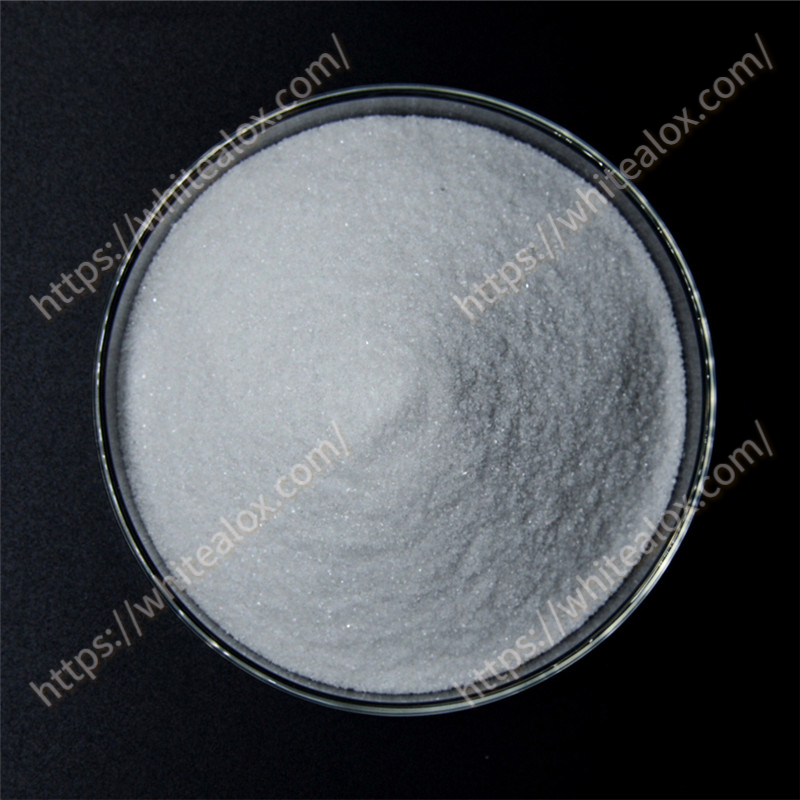
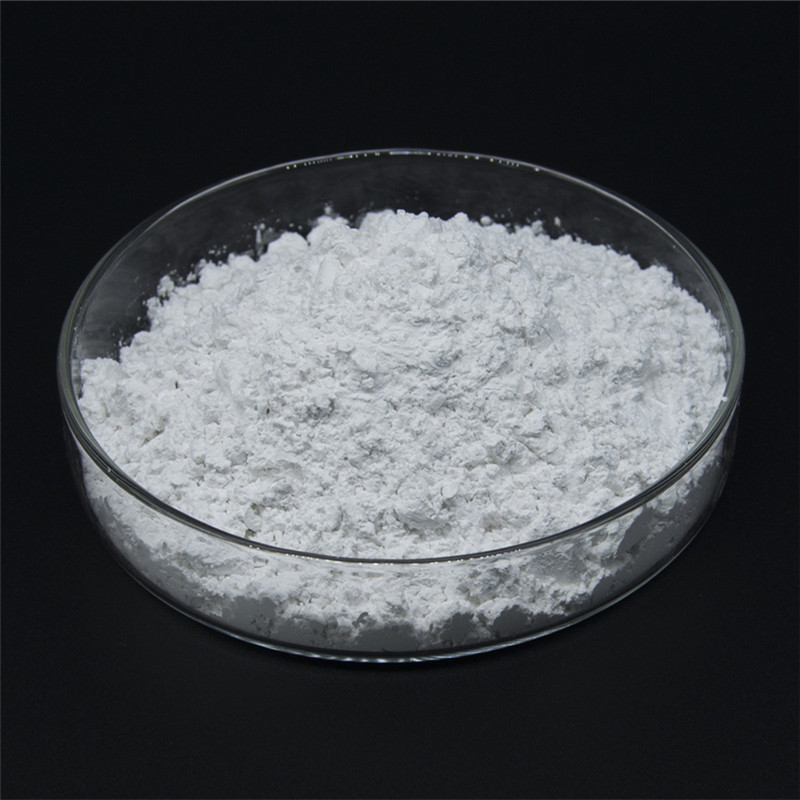
White Fused Alumina (WFA / White Corundum)
- Main component: α-Al₂O₃ ≥ 99.0% (high-purity fused alumina melted above 2000℃ in electric arc furnace)
- Mohs hardness: 9.0.
- White fine powder, low iron, low silica, minimal staining risk on glass
- Also named white aluminum oxide polishing powder / white corundum micro-powder
Advantages for Glass Polishing
- Balanced hardness & low sub-surface damageHard enough to remove glass scratches, water marks, grinding ripples; softer than SiC/diamond, avoids deep micro-cracks on optical glass, reduces haze
- Self-sharpening performanceGrains fracture during polishing to expose new sharp cutting edges, stable removal rate without frequent slurry replacement
- Ultra-high purity, no contaminationLow Fe₂O₃ & heavy metal impurities; no yellow spots, black stains or surface discoloration after polishing optical/transparent glass
- Narrow particle size distributionPrecision graded micro-powder ensures uniform cutting force, prevents random coarse scratches; achieves nano-level smoothness (Ra down to 0.2–1 nm)
- Excellent chemical inertnessAcid & alkali resistant, no chemical etching on soda-lime glass, borosilicate, quartz, optical K9 glass, touch panel glass
- Cost-effectiveMuch cheaper than diamond powder; higher efficiency than rare earth cerium oxide for pre-polishing mass production
Application
–Optical Glass (main high-end use)
- Camera lenses, eyeglass lenses, prisms, laser windows, astronomical mirrors
- Process flow matching: rough grinding → fine lapping → pre-polishing
- Ultra-fine grades (W5, W3.5, W1.5, 0.5–3μm) for haze-free pre-finish before final cerium oxide mirror polishing
— Electronic Display Glass
- Phone 2D/3D curved back glass, touch screen cover glass, LCD/OLED substrate, camera lens cover
- Used in CNC polishing slurry, swing polishing, CMP pre-grinding; delivers silky smooth touch surface
— Architectural & Automotive Glass
- Car windshield scratch repair, tempered glass, mirror glass, decorative crystal glass
- Medium-fine grades (F800–F1500) to remove water spots, swirl marks, minor surface abrasions
— Special Hard Glass
Quartz glass, sapphire cover glass, laboratory borosilicate glass precision lapping
–Standard Grit Selection by Glass Processing Stage
| Processing Stage | Recommended WFA Grades | Function |
|---|---|---|
| Rough Grinding (shape shaping, deep scratch removal) | F60–F240 / W40–W28 | Fast material removal, rough surface correction |
| Fine Lapping (eliminate coarse grinding ripples) | F400–F1200 / W14–W7 | Uniform matte surface, reduce subsurface damage |
| Pre-Polishing (before final mirror finish) | F1500–F3000 / W5–W1 | Remove fine lapping marks, lower surface roughness |
| Ultra-fine Superfinishing | W3.5, W1.5, 0.5–2μm | Eliminate micro-haze, prepare for cerium oxide final polishing |
Comparison with Other Glass Polishing Abrasives
| Abrasive | Pros | Cons | Suitable Stage |
|---|---|---|---|
| White Fused Alumina (WFA) | Balanced cutting, low contamination, low cost, full grit range | Cannot reach mirror gloss alone | Rough grind, fine lapping, pre-polishing |
| Cerium Oxide (CeO₂) | Ultimate mirror gloss, ultra-low Ra | High price, poor stock removal | Final mirror polishing only |
| Silicon Carbide (SiC) | Fast cutting for hard glass | Easy to leave deep scratches, dark contamination | Only heavy rough grinding |
| Diamond Powder | Fastest removal, ultra-fine finish | Extremely high cost, severe subsurface damage | High-end ultra-precision single-point machining |
Product Quality Standards for Glass-Grade WFA Powder
- Al₂O₃ ≥ 99.0%, Na₂O ≤ 0.4%, Fe₂O₃ ≤ 0.03% (strict low iron control)
- No oversize coarse particles to avoid glass scratches
- Good water dispersibility, no agglomeration in water slurry
- Spheroidized sharp-edge grain (optional surface treatment) for scratch-free ultra-fine polishing
- Low magnetic substance content for optical component production