
White Fused Alumina Powder for Crucible
1. Basic Introduction
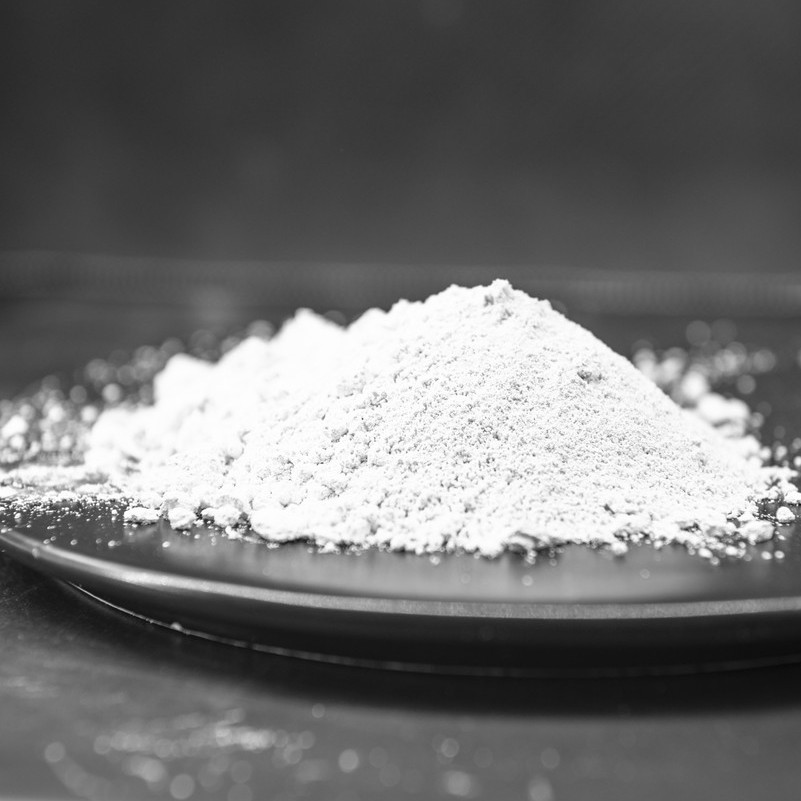
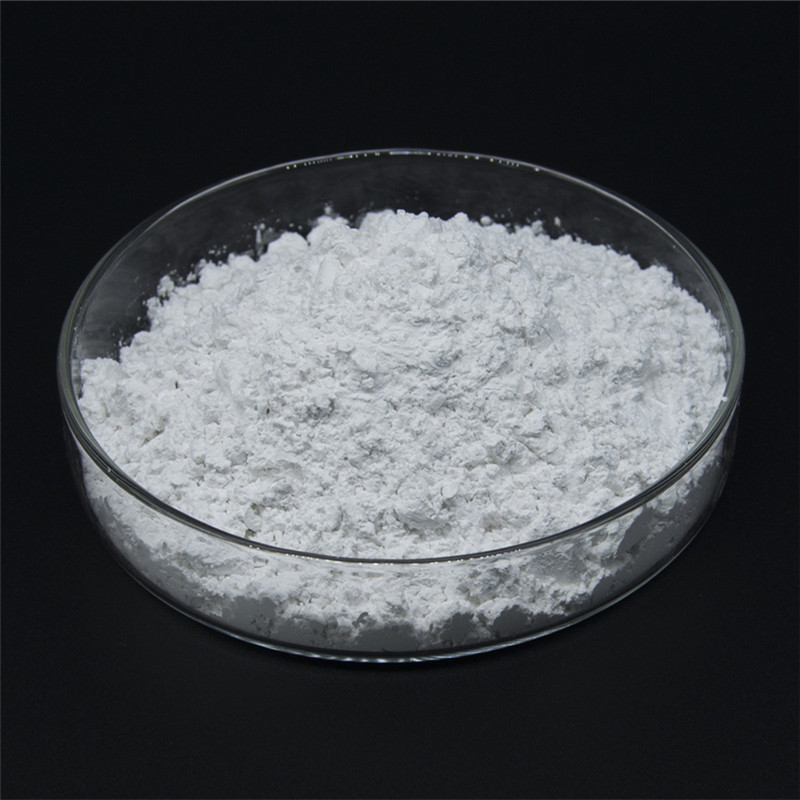
2. Key Physical & Chemical Specifications
| Index | High-purity grade (Lab & precious metal smelting) | General refractory grade |
|---|---|---|
| Al₂O₃ content | ≥99.5% | ≥99.0% |
| Na₂O (critical impurity) | ≤0.2%; low-sodium type ≤0.1% | ≤0.3% |
| SiO₂ | ≤0.2% | ≤0.3% |
| Fe₂O₃ | ≤0.05% | ≤0.1% |
| Refractoriness | 2250 °C | 2200 °C |
| Melting point | 2050–2100 °C | 2050 °C |
| True density | ≥3.90 g/cm³ | ≥3.88 g/cm³ |
3. Advantages for Crucible Manufacturing
- Excellent high-temperature stability
It maintains structural integrity under long-term service at 1900 °C, with refractoriness under load above 1850 °C, suitable for metal smelting, glass melting and high-temperature thermal treatment.
- Superior chemical inertness
Resistant to strong acids, strong alkalis, molten metals and silicate slags; barely reacts with melts and avoids polluting test or smelting materials, ideal for high-purity raw materials, precious metals and optical glass melting.
- Good thermal shock resistance
Low coefficient of thermal expansion (3.34~6.63×10⁻⁶/K), small volume variation during heating and cooling cycles, resisting cracking from frequent temperature changes.
- Controllable densification after sintering
Graded coarse, medium and fine powders fill intergranular gaps. Dense crucibles with low permeability are made with ultra-fine powder; breathable sintered crucibles can be produced by matching coarse particles.
- Low impurity discoloration
Ultra-low iron content prevents rust-like dark spots at high temperatures, meeting strict purity standards for analytical lab crucibles.