
What is White Fused Alumina Powder?
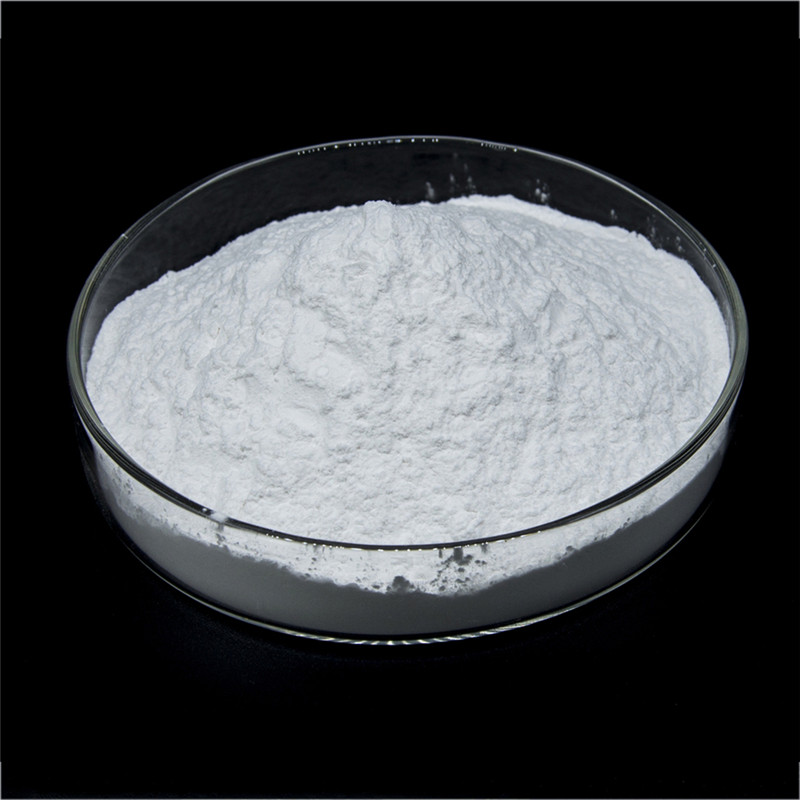
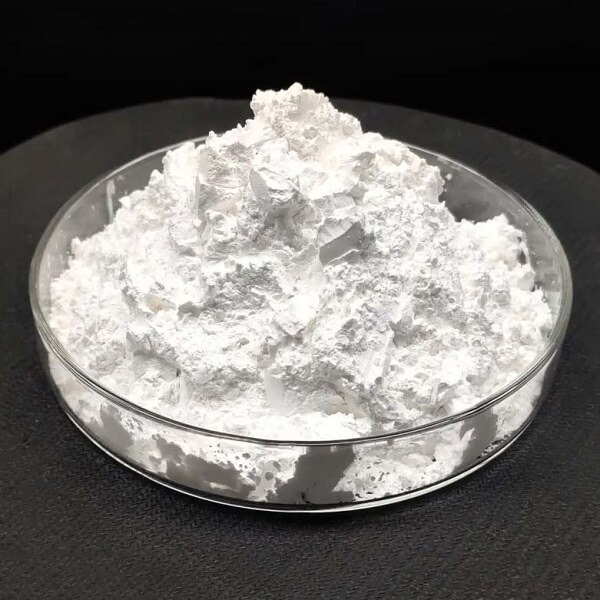
White fused alumina is a synthetic, high-purity abrasive material produced by fusing high-quality alumina (Al₂O₃) in an electric arc furnace at temperatures over 2000°C. The “white” designation comes from its high purity (typically >99% Al₂O₃), resulting in a white or crystalline appearance, as opposed to the darker brown fused alumina which contains impurities.
Key Production Process
Raw Material:Industrial alumina powder .
Fusion: The alumina is melted in an electric arc furnace. The high heat allows it to crystallize into a dense, hard mass.
Cooling & Crushing: The fused mass is cooled, then crushed and precisely milled into grains.
Processing: The grains are washed, chemically treated (if needed), and sieved into specific grit sizes. Magnetic separation removes any iron contamination from the crushing process.
Classification: The powder is separated into standardized grit sizes, from coarse grits (e.g., P12) to very fine powders (microns and sub-microns).
| Typical Chemical composition | |
| AL2O3 | 99.3%min |
| SiO2 | 0.06% |
| Na2O | 0.3%max |
| Fe2O3 | 0.05%max |
| CaO | 0.04%max |
| MgO | 0.01%max |
| K2O | 0.02#max |
| Typical physical properties | |
| Hardness: | Mohs:9.0 |
| Maximum service temperature: | 1900 ℃ |
| Melting Point: | 2250 ℃ |
| Specific Gravity: | 3.95g/cm3 |
| Volume density | 3.6g/cm3 |
| Bulk density(LPD): | 1.75-1.95 g/cm3 |
| Color: | White |
| Particle shape: | Angular |
Key Properties
High Hardness: 9.0 on the Mohs scale, second only to diamond and silicon carbide. This makes it an excellent cutting and abrasive material.
High Purity (>99% Al₂O₃): Low impurities mean it is chemically inert, does not react with the workpiece, and is suitable for applications where contamination is a concern.
Sharp Angular Shape: When crushed, the grains form sharp, multifaceted edges, ideal for aggressive grinding and cutting.
Excellent Toughness: More durable than silicon carbide, meaning it fractures less under pressure, making it suitable for heavy-duty grinding.
High Heat & Chemical Resistance: Stable at high temperatures and resistant to most chemicals.
Common Grit Types & Forms
White fused alumina powder is classified by grit size (particle diameter):
Macro Grits (Abrasives): Coarse to fine (e.g., F12 to F220). Used for grinding wheels, sandpaper, blasting media.
Micro Grits (Micron Powders): Fine powders (e.g., P240 and finer, down to 1 micron or less). Used for precision polishing, lapping, and as a raw material for refractories and ceramics.
Special Forms:
Standard Grain: For general abrasive tools.
Densified (Sintered) Alumina: Grains are sintered for higher toughness and durability.
Calcined Alumina: A heat-treated form for advanced ceramics, not typically used as an abrasive.
Applications
1. Abrasive Tools (Largest Market)
Coated Abrasives: Sandpaper, sanding belts, discs, and rolls for metal, wood, and paint finishing.
Bonded Abrasives: Grinding wheels, honing stones, and segments for precision grinding of steel, alloys, and hardened metals.
Blasting & Surface Preparation: Used as a recyclable blasting media for cleaning, deburring, and creating surface profiles on metals (less dense than steel shot, so it’s less aggressive).
2. Refractories
As a key aggregate in high-alumina bricks, castables, and mortars for furnaces, kilns, and incinerators due to its exceptional heat resistance.
3. Precision Polishing & Lapping
Micro-grit powders are suspended in liquids for the final precision polishing of optical lenses, silicon wafers, and semiconductor components.
4. Anti-Skid & Traction
Added to epoxy floor coatings, non-slip paints, and stair treads to provide grip.
5. Reinforcement & Composites
Used as a filler to increase the hardness, wear resistance, and thermal conductivity of plastics, resins, and ceramic composites.
6. Other Specialized Uses
Waterjet Cutting: Mixed with high-pressure water as an abrasive cutting medium.
3D Printing (SLA/DLP): As a filler in ceramic resin for producing high-strength technical ceramics.
Advantages vs. Other Abrasives
vs. Brown Fused Alumina (BFA): WFA is harder, sharper, and more brittle. It generates less heat during grinding and is used for precision grinding of harder steels. BFA is tougher and better for rough grinding.
vs. Silicon Carbide (SiC): SiC is slightly harder but more brittle and less tough. WFA is preferred for grinding high-tensile strength materials (like steel), while SiC is better for low-tensile materials (like cast iron, stone, glass) and non-ferrous metals.