
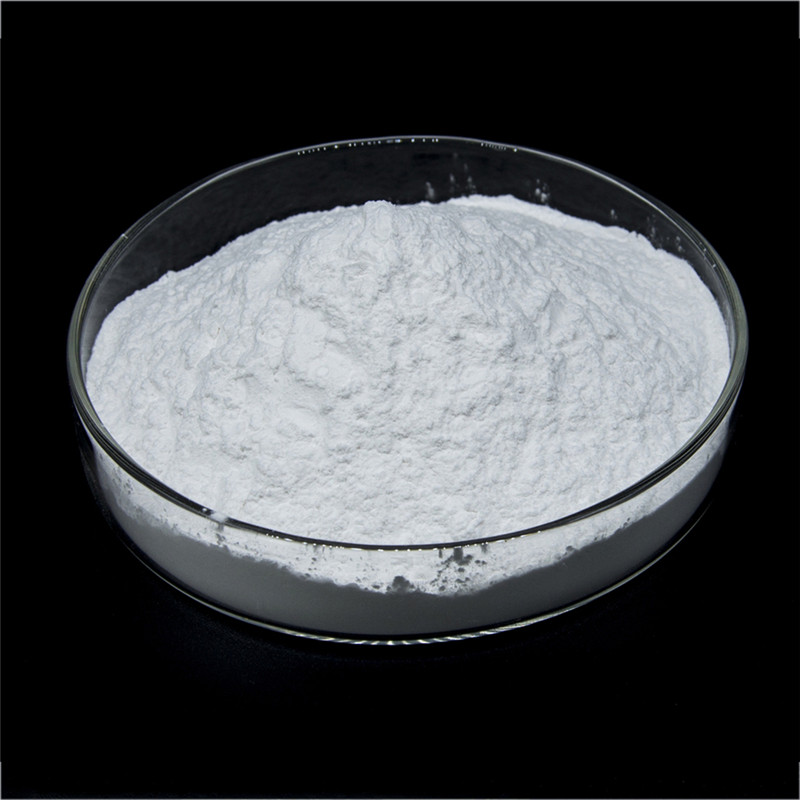
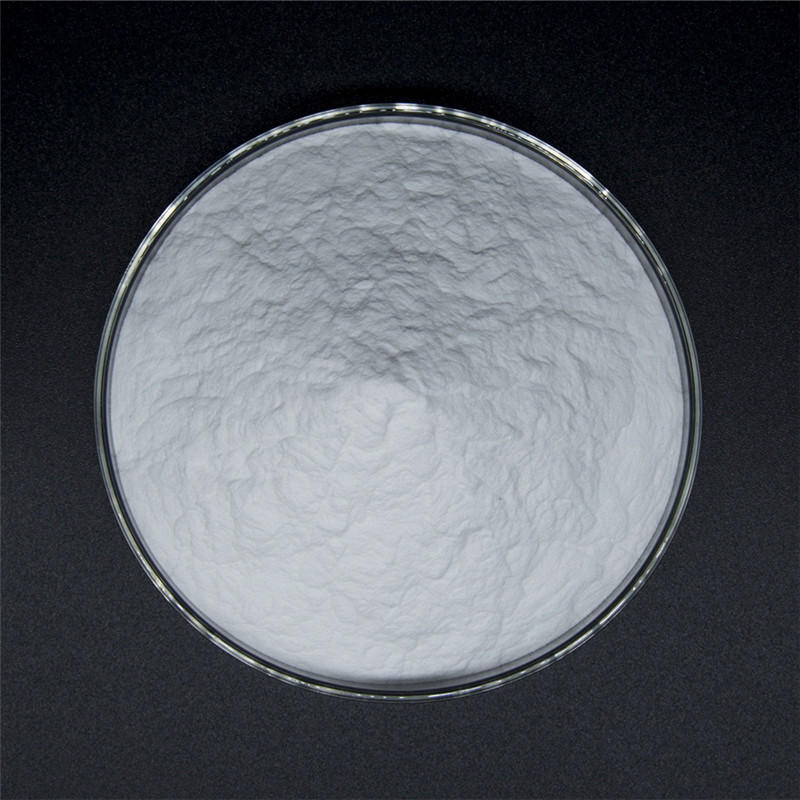
White Fused Alumina (WFA) lapping powder, also known as white aluminum oxide, is a premium synthetic abrasive material manufactured through the electric arc furnace fusion of high-purity alumina (>99.5% Al₂O₃). It is subsequently crushed, milled, and precisely graded into fine micron and sub-micron powders for precision surface finishing applications.
1. Core Characteristics & Advantages
| Property | Description | Benefit in Lapping/Polishing |
|---|---|---|
| High Purity | Al₂O₃ content typically >99.5%. Extremely low levels of trace elements (Fe, Si, Na). | Eliminates risk of contamination, staining, or embedding in the workpiece. Critical for semiconductor, optical, and ceramic components. |
| High Hardness | Mohs hardness of 9.0, Vickers hardness ~2200 kgf/mm². | Effective for processing hard materials like hardened steel, tungsten carbide, advanced ceramics, and glass. |
| Controlled Fracture & Shape | Processed to achieve either blocky, sharp angular grains or more rounded, “milled” grains. | Angular: Aggressive cutting, faster stock removal, defined surface texture. Rounded/Spherical: Gentler action, finer finish, lower surface roughness. |
| Chemical Inertness | Stable in both acidic and alkaline environments (except strong acids/bases at high temps). | Compatible with various coolant/lubricant chemistries. Does not react with most workpiece materials. |
| Friability | Exhibits controlled self-sharpening behavior. Grains fracture to reveal new sharp edges. | Maintains consistent cutting performance over time, preventing glazing of the lap plate. |
2. Key Applications (Where & Why It’s Used)
White fused alumina is the abrasive of choice for applications demanding a perfect balance of material removal rate, surface integrity, and cleanliness.
Optics & Photonics: Lapping and polishing of optical glass, lenses, prisms, laser crystals (YAG, sapphire). Its purity prevents color centers or haze formation.
Semiconductor & Precision Engineering: Back-grinding and surface preparation of silicon wafers, processing of ceramic substrates, and finishing of critical mechanical parts (seals, gauges, bearing components).
Advanced Technical Ceramics: Finishing of zirconia, alumina, silicon carbide, and silicon nitride components used in medical, aerospace, and industrial applications.
Metallography & Sample Preparation: The standard abrasive for precision grinding and polishing of metal samples for microscopic analysis due to its consistent performance and lack of contamination.
High-Grade Metal Components: Final lapping of tool steels, stainless steels, and superalloys to achieve very low Ra (roughness average) values before superfinishing or coating.
3. Critical Specifications & Selection Guide
Selecting the correct WFA powder is paramount. Key parameters are defined by international standards (FEPA, JIS).
| Parameter | Typical Range & Designation | Selection Guidance |
|---|---|---|
| Grit Size / Particle Size | Coarse Lapping: F230 – F600 (53 – 9.3 µm) Fine Lapping/Polishing: F800 – F2000 (6.5 – 1.2 µm) Ultra-Fine Polishing: Below 1 µm (e.g., 0.3 µm) | Start with the coarsest grit that will not damage the part. Progress through a sequence (e.g., F400 → F800 → F1200) to efficiently remove scratches from the previous step. |
| Particle Size Distribution | Narrow (“Tight Cut”): e.g., FEPA 4A standard. | A narrow distribution is critical. It ensures uniform scratch patterns, predictable removal rates, and enables a clean transition to the next finer grit. Avoid powders with wide “tails” of oversized or undersized particles. |
| Shape | Angular (Standard Crushed), Semi-Rounded (Milled), Spherical (Processed). | Aggressive Stock Removal: Use angular. Fine Finishing & Low Scratch Depth: Use semi-rounded or spherical. |
| Dispersant / Format | Dry Powder, Water-based Slurry, Oil-based Suspension. | Slurries are most common for precision work. They facilitate cooling, lubrication, and even particle distribution. The carrier liquid (water, glycol, oil) is chosen based on material and machine compatibility. |
4. Lapping Process Parameters & Best Practices
Lapping Plate / Pad: Typically used with cast iron or tin-bronze laps for hard materials. For final polishing, a soft cloth pad (e.g., polyurethane) charged with powder may be used.
Carrier & Lubricant: Usually mixed with water or a specialized lapping oil to form a slurry. Additives (corrosion inhibitors, pH stabilizers) are common. The carrier must wet both the abrasive and the workpiece.
Concentration: Typically 10-30% by weight abrasive in the carrier, depending on the application.
Pressure & Speed: Lower pressures and speeds than grinding. Optimized to balance material removal and surface finish. Excessive pressure can cause fracturing in brittle materials.
Cleaning Between Steps: ABSOLUTELY CRITICAL. The workpiece and workstation must be thoroughly cleaned when changing to a finer grit to prevent contamination by larger, rogue particles from the previous step.