
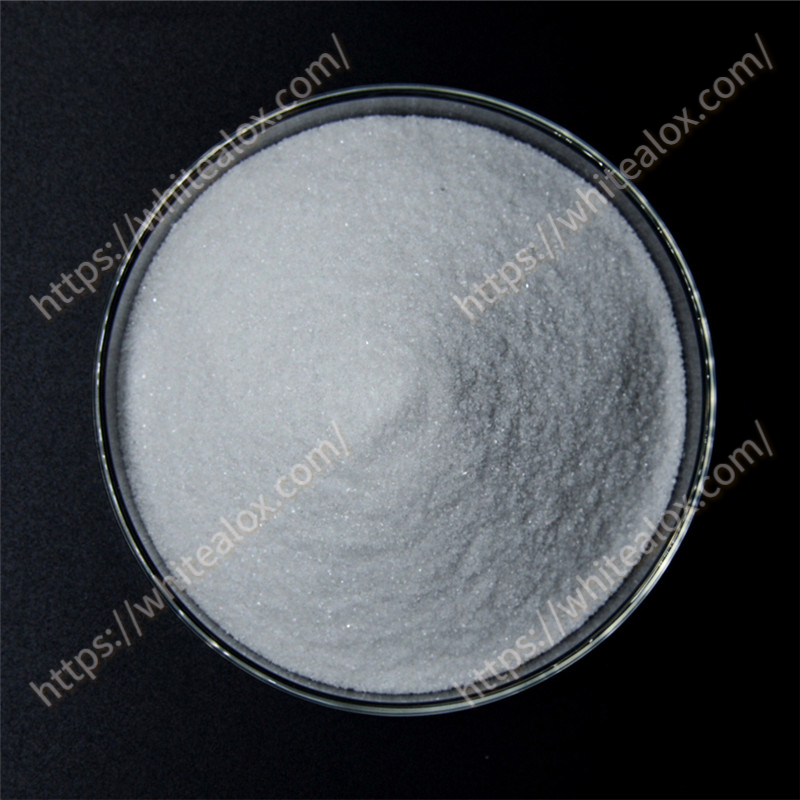
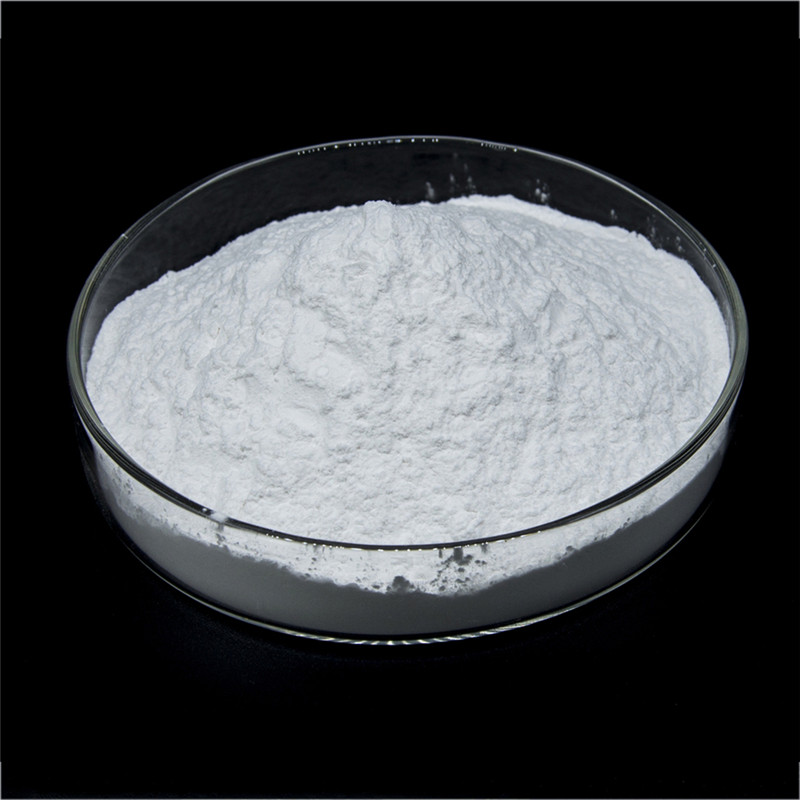
White aluminum oxide (White Fused Alumina, WFA) is a critical industrial material in the ceramic sector due to its exceptional properties: high purity (Al₂O₃ > 99%), extreme hardness (Mohs 9), excellent thermal stability, and chemical inertness.
1. As a Key Raw Material & Additive
Function: Used as a reinforcing phase in ceramic bodies, especially in high-alumina formulations.
Benefits:
Enhances Mechanical Strength: Increases wear resistance, fracture toughness, and load-bearing capacity.
Improves Thermal Properties: Boosts thermal shock resistance and high-temperature stability.
Typical Products: High-performance technical ceramics (e.g., seals, nozzles, wear-resistant liners), electronic substrate ceramics, and advanced structural components.
2. In Glazes & Surface Engineering
Function: Acts as a functional additive in glaze recipes to modify surface properties.
Benefits:
Hardness & Abrasion Resistance: Creates a harder, more scratch-resistant surface for tiles, sanitaryware, and tableware.
Matting Agent: Controlled addition creates desirable satin or matte finishes.
Opacifier & Brightness: Fine particles scatter light, increasing opacity and whiteness.
Chemical Inertness: Prevents unwanted reactions in the glaze melt, ensuring color stability.
Application: High-end ceramic tiles, art pottery, and premium sanitaryware.
3. Refractories & Kiln Furniture
Function: The backbone material for constructing and lining high-temperature kilns and supports.
Benefits:
Withstands Extreme Heat: Used in refractory bricks, castables, and fibers for kiln linings (withstanding temperatures >1700°C).
Dimensional Stability: Manufactured into kiln furniture (shelves, setters, posts, rollers) that resists deformation under load over repeated firing cycles.
Economic Impact: Extends service life of kiln components, reduces downtime, and improves energy efficiency.
4. Grinding & Polishing Media
Function: Utilized as an abrasive in various finishing processes.
Benefits:
Precision Finishing: Micronized powders are used for lapping and polishing technical ceramics (e.g., alumina substrates, zirconia) to achieve ultra-smooth surfaces.
Surface Preparation: Used for grinding green (unfired) or bisque-fired bodies to precise dimensions.
Tool Maintenance: Cleans and refurbishes ceramic molding dies.
5. Specialized & Artistic Applications
Function: Enables unique functional or aesthetic effects.
Examples:
Porous Ceramics: Serves as a granular skeleton for filters used in molten metal or hot gas filtration.
Crystalline Glazes: Can act as a seed crystal to promote controlled crystal growth in artistic glazes.
Investment Casting: High-precision ceramic shells for metal casting often incorporate white alumina for superior strength and thermal properties.