
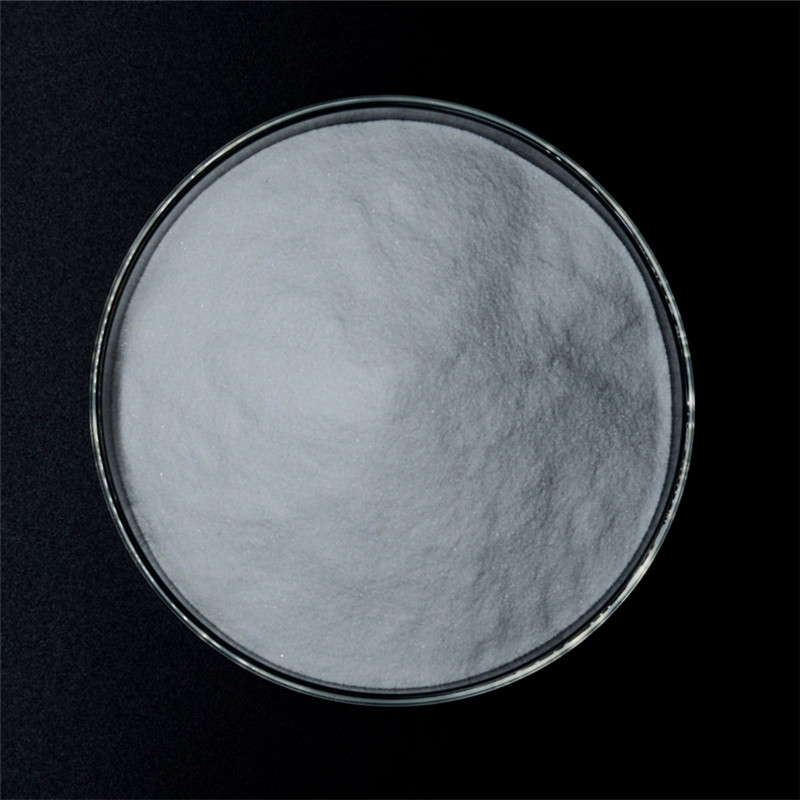
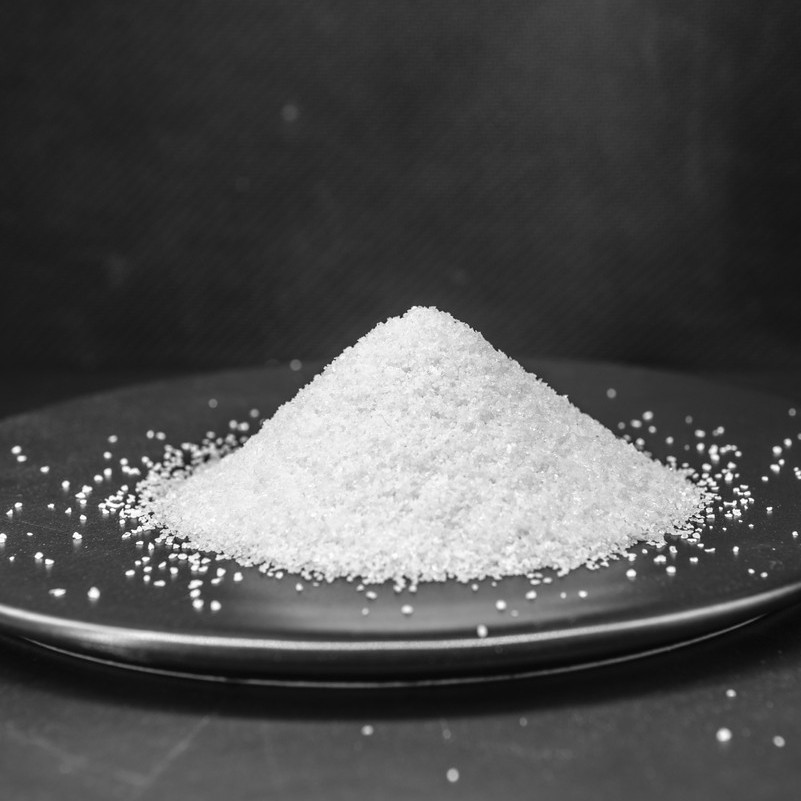
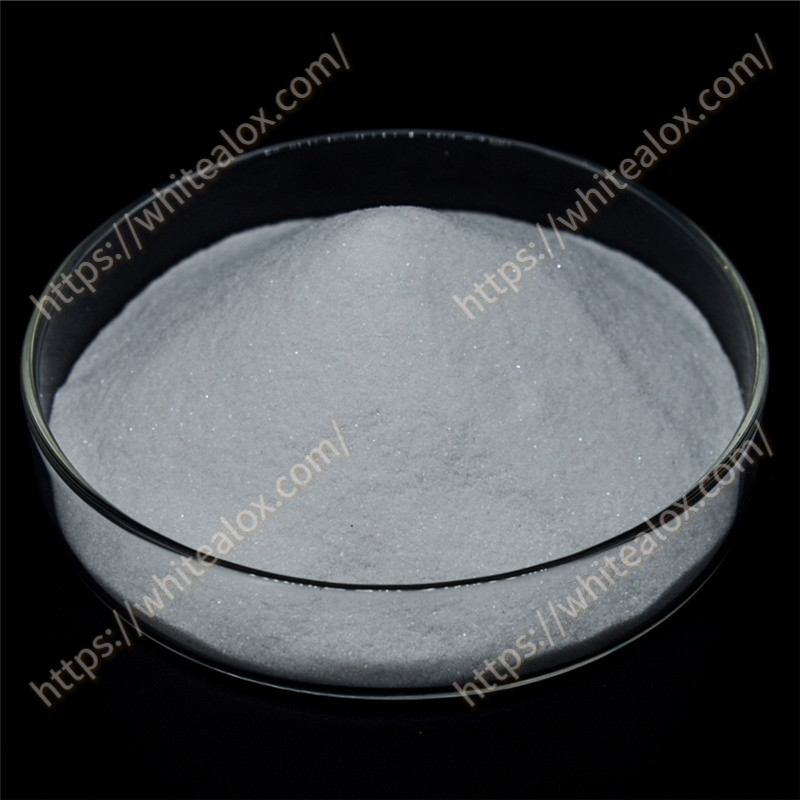
White Fused Alumina (WFA), also known as White Fused Aluminum Oxide, is a high-purity, synthetic abrasive produced by electrofusion of high-grade industrial alumina (Al₂O₃ ≥99%) in an electric arc furnace at temperatures exceeding 2000℃, followed by crushing, screening, and grading. It is one of the most widely used blasting media in surface treatment industries, valued for its exceptional hardness, chemical inertness, and consistent particle size distribution—making it ideal for a wide range of abrasive blasting applications (e.g., grit blasting, sandblasting, shot blasting).
| Physical Properties | |
| Hardness: micro | 21600-22600kg/mm3 |
| Hardness: Mohs | 9.0 min |
| Specific Gravity | 3.95-3.97g/cm3 |
| Bulk Density | 1.65-2.05g/cm3 |
| Particle Shape | Blocky, Sharp |
| Color | white |
| Chemical compositions | |
| Al2O3 | 99.40min |
| SiO2 | 0.15max |
| Na2O | 0.28max |
| Fe2O3 | 0.06max |
| CaO | 0.03max |
Core Properties for Blasting Applications
WFA’s inherent characteristics make it a superior blasting media compared to natural abrasives (e.g., silica sand, garnet) and other fused abrasives (e.g., brown fused alumina). Key performance attributes:
- High Hardness & Wear Resistance: Mohs hardness of 9.0 (second only to diamond and cubic boron nitride), Vickers hardness of 1800–2200 HV. It maintains sharp cutting edges during blasting, delivering efficient material removal and long service life (low abrasive consumption).
- High Purity: Al₂O₃ content ≥99% (coating/ blasting grade), low levels of Fe₂O₃, SiO₂, and TiO₂. No free silica, avoiding silicosis risks and preventing chemical contamination of the workpiece surface.
- Controlled Particle Shape: Available in angular (standard for blasting) and sub-angular particle shapes. Angular particles provide aggressive cutting action for fast surface profiling, while sub-angular variants offer milder blasting for fine finishing.
- Chemical Inertness: Resistant to acids, alkalis, and most organic solvents. Does not react with the workpiece surface (suitable for stainless steel, aluminum, copper, and non-ferrous metals), and leaves no corrosive residue.
- Low Bulk Density & Uniform Particle Size: Bulk density of 1.5–1.8 g/cm³, with strict particle size grading (compliant with ISO, ANSI, FEPA standards). Ensures uniform blasting coverage, consistent surface roughness (Ra/Rz), and minimal dust generation.
- Thermal Stability: Melting point of ~2250℃, no thermal decomposition or softening during high-speed blasting, maintaining its abrasive performance even in high-temperature working environments.
Key Blasting Applications
White Fused Alumina is a versatile blasting media for surface preparation, cleaning, deburring, and finishing across aerospace, automotive, metal fabrication, electronics, and precision engineering industries. Typical use cases:
1. Surface Preparation (Pre-Coating/ Pre-Plating)
The primary application—creates a uniform, anchor-profile surface on metal substrates (steel, stainless steel, aluminum, titanium) to improve adhesion of paints, coatings, powders, and platings. Eliminates rust, scale, mill scale, and oil contaminants without damaging the base material.
2. Deburring & Deflashing
Removes burrs, flash, and sharp edges from castings, forgings, machined parts, and die-cast components (e.g., automotive parts, aerospace fasteners, electronic hardware). The sharp angular particles cut through burrs efficiently while preserving the workpiece’s dimensional accuracy.
3. Surface Finishing & Polishing
Fine-grained WFA (micron/ fine mesh grades) is used for precision surface finishing—achieving a smooth, uniform matte or satin finish on stainless steel, aluminum, and decorative metal parts (e.g., kitchenware, architectural metal, jewelry). Replaces traditional emery cloth for automated blasting processes.
4. Descaling & Rust Removal
Efficiently removes rust, oxide scale, and heat treatment discoloration from metal surfaces (e.g., steel pipes, structural steel, marine components). Non-corrosive residue means no post-blasting chemical cleaning is required for most applications.
5. Precision Blasting (Micro-Blasting)
Ultra-fine WFA powders are used in micro-blasting for delicate components (e.g., semiconductor wafers, medical devices, electronic connectors) to remove micro-contaminants or create micro-scale surface features without causing surface damage.
Advantages Over Other Blasting Media
| Blasting Media | Key Limitations | White Fused Alumina Advantages |
|---|---|---|
| Silica Sand | Free silica (health risk), soft (fast wear), inconsistent particle size, leaves residue | Silica-free, high hardness (long life), uniform grading, no corrosive residue |
| Garnet | Low hardness (low cutting efficiency), high bulk density (high dust), limited particle shapes | Sharper cutting action, lower dust, adjustable particle shape (angular/sub-angular) |
| Brown Fused Alumina (BFA) | High iron content (causes surface contamination), lower purity | 99% Al₂O₃ (no contamination), suitable for stainless steel/non-ferrous metals |
| Glass Beads | Low material removal rate, only for peening/finishing (no profiling) | Efficient profiling + finishing, dual-purpose for preparation and finishing |
| Plastic Abrasives | Soft (only for mild cleaning), low temperature resistance | High wear resistance, suitable for heavy-duty and high-temperature blasting |
Critical Handling & Application Tips
To maximize blasting efficiency, extend media life, and ensure workpiece quality, follow these guidelines for using WFA as blasting media:
- Match Grade to Workpiece & Requirement: Select the appropriate particle size based on blasting intensity—oversized grit causes surface pitting, while undersized grit leads to low efficiency and uneven finishing.
- Maintain Blasting Parameters: Control air pressure (60–100 psi for general blasting), nozzle distance (10–30 cm), and blasting angle (45–60°) to avoid over-blasting or substrate damage (critical for soft metals like aluminum).
- Use Dry Compressed Air: Ensure the air supply is dry and oil-free—moisture causes WFA particles to clump, reducing blasting efficiency and leaving water spots on the workpiece surface.
- Filter & Reclaim Spent Media: Use a media reclaimer to separate usable WFA particles from dust and fine debris. Reclaimed media can be reused (3–5 times for medium grades), reducing material costs and waste.
- Personal Protective Equipment (PPE): Even with low dust generation, wear a certified blasting respirator, safety goggles, blast suit, and gloves to prevent abrasive particle inhalation and skin/eye irritation.
- Post-Blasting Cleaning: Lightly blow the workpiece with dry, oil-free air to remove residual WFA dust—no further chemical cleaning is needed for most coating/plating applications (thanks to WFA’s chemical inertness).