
What is White Fused Alumina Powder?
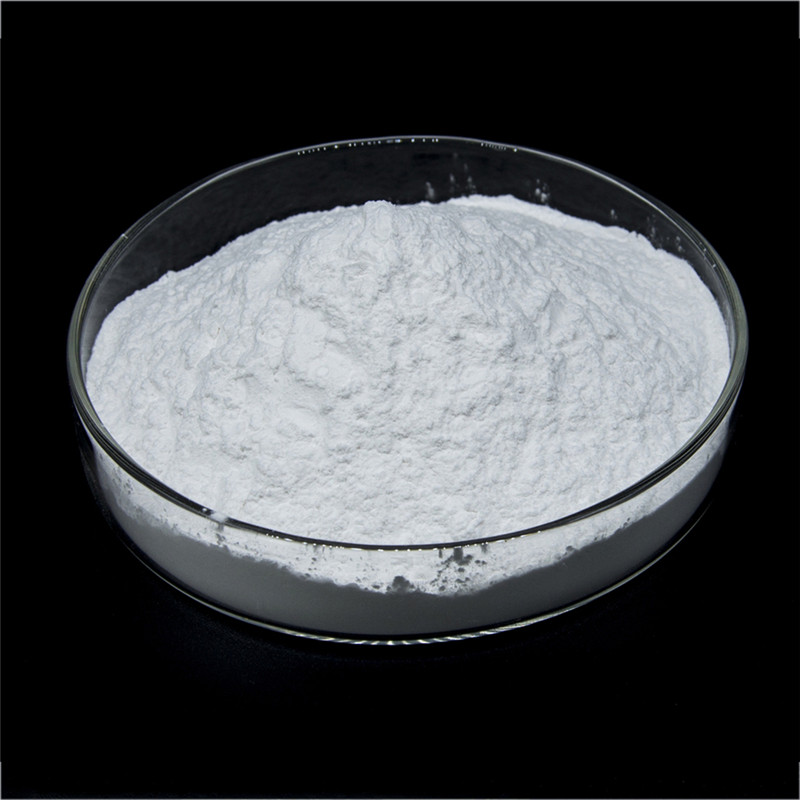
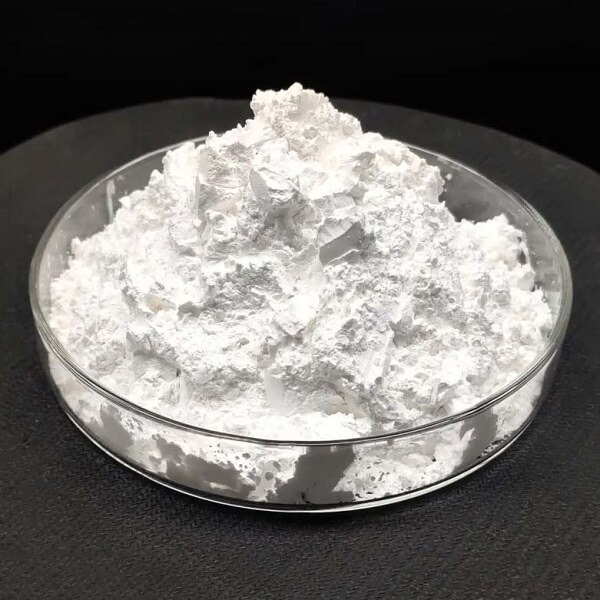
White fused alumina is a synthetic, high-purity abrasive material produced by fusing high-quality alumina (Al₂O₃) in an electric arc furnace at temperatures over 2000°C. The “white” designation comes from its high purity (typically >99% Al₂O₃), resulting in a white or crystalline appearance, as opposed to the darker brown fused alumina which contains impurities.
Key Production Process
-
Raw Material:Industrial alumina powder .
-
Fusion: The alumina is melted in an electric arc furnace. The high heat allows it to crystallize into a dense, hard mass.
-
Cooling & Crushing: The fused mass is cooled, then crushed and precisely milled into grains.
-
Processing: The grains are washed, chemically treated (if needed), and sieved into specific grit sizes. Magnetic separation removes any iron contamination from the crushing process.
-
Classification: The powder is separated into standardized grit sizes, from coarse grits (e.g., P12) to very fine powders (microns and sub-microns).
| Typical Chemical composition | |
| AL2O3 | 99.3%min |
| SiO2 | 0.06% |
| Na2O | 0.3%max |
| Fe2O3 | 0.05%max |
| CaO | 0.04%max |
| MgO | 0.01%max |
| K2O | 0.02#max |
| Typical physical properties | |
| Hardness: | Mohs:9.0 |
| Maximum service temperature: | 1900 ℃ |
| Melting Point: | 2250 ℃ |
| Specific Gravity: | 3.95g/cm3 |
| Volume density | 3.6g/cm3 |
| Bulk density(LPD): | 1.75-1.95 g/cm3 |
| Color: | White |
| Particle shape: | Angular |
Key Properties
-
High Hardness: 9.0 on the Mohs scale, second only to diamond and silicon carbide. This makes it an excellent cutting and abrasive material.
-
High Purity (>99% Al₂O₃): Low impurities mean it is chemically inert, does not react with the workpiece, and is suitable for applications where contamination is a concern.
-
Sharp Angular Shape: When crushed, the grains form sharp, multifaceted edges, ideal for aggressive grinding and cutting.
-
Excellent Toughness: More durable than silicon carbide, meaning it fractures less under pressure, making it suitable for heavy-duty grinding.
-
High Heat & Chemical Resistance: Stable at high temperatures and resistant to most chemicals.
Common Grit Types & Forms
White fused alumina powder is classified by grit size (particle diameter):
-
Macro Grits (Abrasives): Coarse to fine (e.g., F12 to F220). Used for grinding wheels, sandpaper, blasting media.
-
Micro Grits (Micron Powders): Fine powders (e.g., P240 and finer, down to 1 micron or less). Used for precision polishing, lapping, and as a raw material for refractories and ceramics.
-
Special Forms:
-
Standard Grain: For general abrasive tools.
-
Densified (Sintered) Alumina: Grains are sintered for higher toughness and durability.
-
Calcined Alumina: A heat-treated form for advanced ceramics, not typically used as an abrasive.
-
Applications
1. Abrasive Tools (Largest Market)
-
Coated Abrasives: Sandpaper, sanding belts, discs, and rolls for metal, wood, and paint finishing.
-
Bonded Abrasives: Grinding wheels, honing stones, and segments for precision grinding of steel, alloys, and hardened metals.
-
Blasting & Surface Preparation: Used as a recyclable blasting media for cleaning, deburring, and creating surface profiles on metals (less dense than steel shot, so it’s less aggressive).
2. Refractories
-
As a key aggregate in high-alumina bricks, castables, and mortars for furnaces, kilns, and incinerators due to its exceptional heat resistance.
3. Precision Polishing & Lapping
-
Micro-grit powders are suspended in liquids for the final precision polishing of optical lenses, silicon wafers, and semiconductor components.
4. Anti-Skid & Traction
-
Added to epoxy floor coatings, non-slip paints, and stair treads to provide grip.
5. Reinforcement & Composites
-
Used as a filler to increase the hardness, wear resistance, and thermal conductivity of plastics, resins, and ceramic composites.
6. Other Specialized Uses
-
Waterjet Cutting: Mixed with high-pressure water as an abrasive cutting medium.
-
3D Printing (SLA/DLP): As a filler in ceramic resin for producing high-strength technical ceramics.
Advantages vs. Other Abrasives
-
vs. Brown Fused Alumina (BFA): WFA is harder, sharper, and more brittle. It generates less heat during grinding and is used for precision grinding of harder steels. BFA is tougher and better for rough grinding.
-
vs. Silicon Carbide (SiC): SiC is slightly harder but more brittle and less tough. WFA is preferred for grinding high-tensile strength materials (like steel), while SiC is better for low-tensile materials (like cast iron, stone, glass) and non-ferrous metals.