
White Aluminum Oxide (WA) for Foam Ceramics
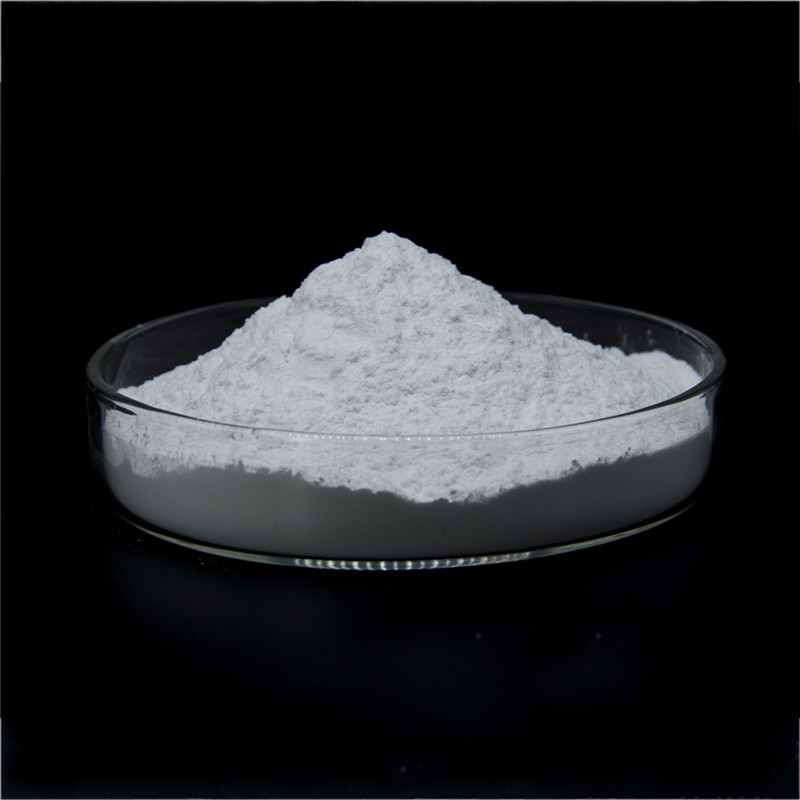
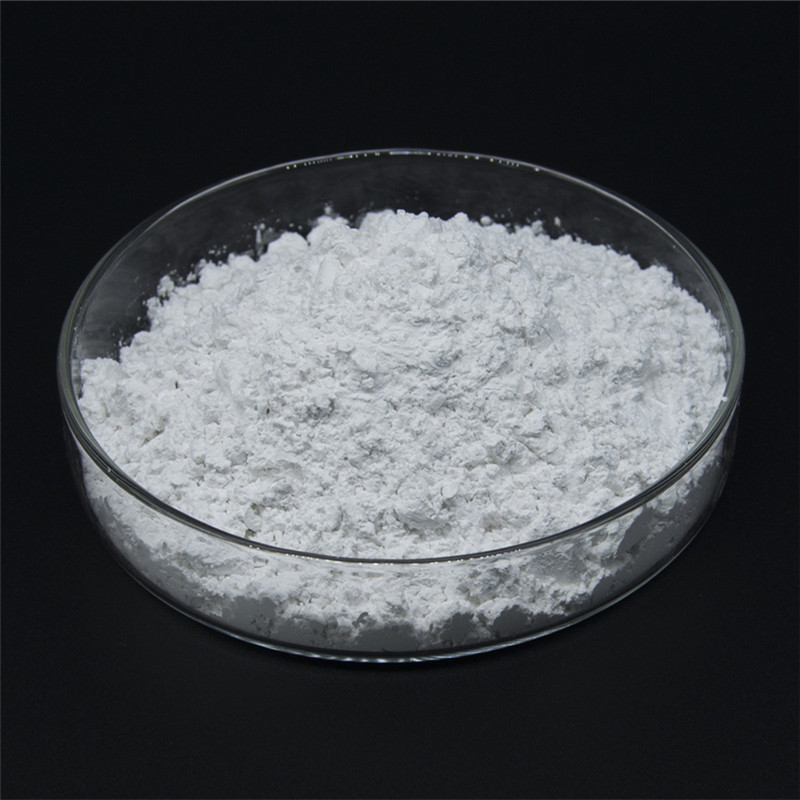
White Aluminum Oxide (WA), also known as white fused alumina, is a high-purity alumina (Al₂O₃ ≥ 99%) ceramic abrasive with excellent hardness, thermal stability, and chemical inertness. It is a key functional and reinforcing raw material in the production of foam ceramics, widely used to enhance mechanical properties, optimize functional performance, and adapt to high-temperature service conditions. Below is a detailed overview of its applications, mechanisms, and technical considerations.
1. Mechanical Property Reinforcement
- Wear and Compression Resistance: With a Mohs hardness of 9.0 and high crystallinity, WA micro-powder acts as a dispersion strengthening phase in foam ceramic matrices. It fills the gaps between aggregate particles, significantly improving the hardness, wear resistance, and compressive strength of foam ceramics, and reducing surface erosion caused by abrasive media or gas/liquid scouring.
- Thermal Shock and Impact Toughness: Optimized WA particle size and addition ratio can reduce the thermal expansion coefficient mismatch of the ceramic matrix, enhance the resistance to rapid temperature changes, and improve impact toughness—critical for foam ceramics used in high-temperature, high-pressure scenarios (e.g., molten metal filtration, kiln linings).
2. Functional Performance Optimization
- Filtration Precision and Purity: In foam ceramic filters, WA micro-powder is used to regulate pore size uniformity and control the minimum pore size. It can effectively intercept inclusions (≥20μm) in molten metals (e.g., aluminum, copper alloys) without chemical reaction with the melt, avoiding secondary contamination. This makes it ideal for high-purity metal processing in the semiconductor, photovoltaic, and aerospace industries.
- High-Temperature and Chemical Stability: WA has a refractoriness of approximately 2100℃, which significantly improves the high-temperature structural stability of foam ceramics, as well as their resistance to acid/alkali corrosion and slag erosion. It is the core raw material for high-temperature refractory foam ceramics (e.g., kiln linings, metallurgical furnace components).
- Thermal Property Regulation: By adjusting the addition amount and particle size of WA micro-powder, the thermal conductivity of foam ceramics can be tailored to meet dual requirements of thermal insulation (low thermal conductivity) and heat dissipation (controllable thermal conductivity), applicable to high-temperature thermal insulation materials and electronic component heat sinks.
3. Process Optimization Assistance
- Slurry Homogenization: WA’s self-sharpening property enables it to act as a grinding medium during ceramic slurry preparation, refining the particle size of raw materials, improving slurry uniformity, and reducing internal defects in the green body.
- Sintering Densification: Ultra-fine WA powder fills the interstices between coarse aggregates, lowering the sintering temperature of foam ceramics or promoting densification of the matrix. Meanwhile, it maintains the stability of the porous structure and prevents high-temperature deformation or collapse of the foam skeleton.
Typical Application Scenarios & Technical Parameters
| Application Field | Foam Ceramic Products | Core Advantages of WA | Key Technical Parameters of WA |
|---|---|---|---|
| Metallurgical Filtration | Molten metal foam ceramic filters | High wear resistance, chemical inertness, high filtration efficiency | Micro-powder size: 20–50μm; Addition ratio: 10–15% |
| Refractory Materials | Light high-purity Al₂O₃ foam ceramics | High refractoriness, low thermal conductivity, alkali resistance | Mixed with alumina fiber; Porosity: 59–70%; Compressive strength ≥54MPa |
| Environmental & Chemical Engineering | Porous filtration ceramics | Corrosion resistance, controllable pore size | Ultra-fine WA powder (d50<1μm); for acid/alkali wastewater/gas filtration |
| Electronics & New Energy | Ceramic substrates/heat dissipation components | High purity, electrical insulation, thermal conductivity | F2000 grade ultra-fine powder; Al₂O₃ ≥99.5% |
Key Technical Considerations
1. Particle Size Selection
- Filtration applications: 20–50μm is the optimal range, balancing mechanical strength and air/liquid permeability.
- Structural reinforcement/densification: Ultra-fine powder (e.g., F2000, d50<1μm) is used for better gap filling and matrix bonding.
- Refractory linings: Coarse WA aggregates (1–3mm) combined with micro-powder (50–100μm) for gradient structure design, improving thermal insulation and mechanical properties.
2. Addition Ratio Control
- The general addition ratio of WA micro-powder is 5–20% (mass ratio). A ratio below 5% results in insufficient strengthening effect, while exceeding 20% may lead to excessive densification, reduced porosity, and impaired filtration/insulation performance.
- For high-strength foam ceramics (e.g., structural components), the ratio can be increased to 20–25% with optimized particle size gradation.
3. Preparation Process Matching
- Slurry dispersion: WA micro-powder is prone to agglomeration; dispersants (e.g., polycarboxylate) and ball milling (2–4h) are required to ensure uniform dispersion in the slurry, avoiding pore blockage or performance inhomogeneity.
- Sintering process: Sintering temperature is typically 1500–1800℃. For WA-based foam ceramics, a two-stage sintering process (low-temperature pre-sintering + high-temperature densification) can be adopted to prevent excessive grain growth and maintain porous structure stability.
- Bonding system: Phosphate binders (e.g., aluminum dihydrogen phosphate) are commonly used to improve the bonding strength between WA particles and the ceramic matrix, especially for low-temperature sintered foam ceramics.