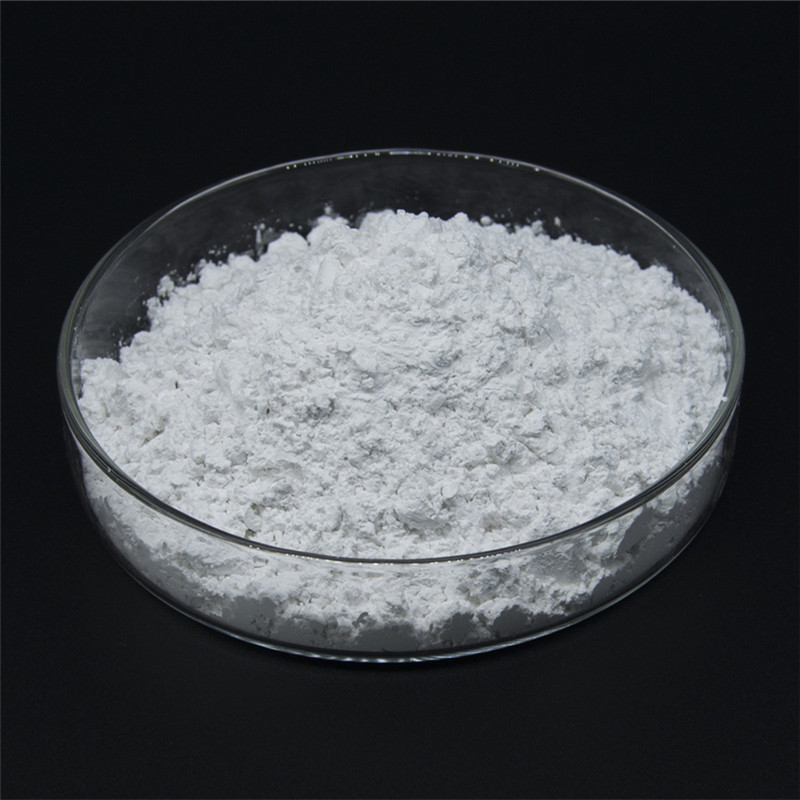
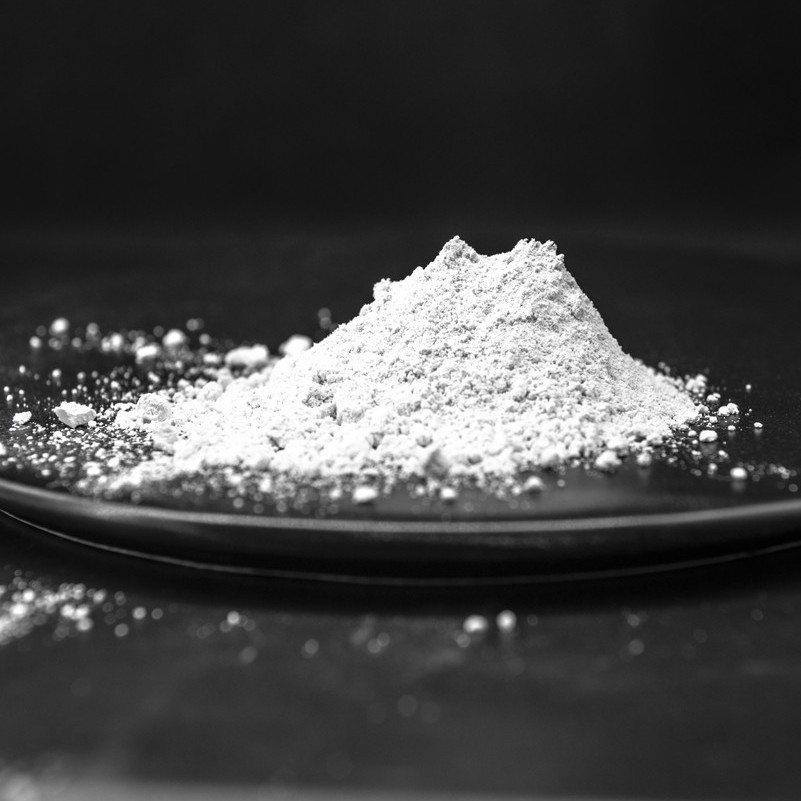
White aluminum oxide powder is a synthetic, high-purity abrasive material produced by fusing industrial alumina, followed by crushing, grinding, and precision classification. Its primary chemical composition is α-Al₂O₃, and it is characterized by high hardness (Mohs 9.0), good toughness, high chemical purity, excellent chemical stability, and thermal resistance.
1. Precision Grinding and Polishing (Core Application)
This is the most traditional and extensive use, leveraging its sharp, friable grains for fine material removal.
-
Optical & Electronic Components: Polishing of optical lenses, LCD glass substrates, semiconductor silicon wafers, sapphire wafers (for LEDs), and precision metal parts (bearings, gauges) to achieve ultra-smooth surfaces.
-
Loose Abrasive Grinding: Used in barrel tumbling, vibratory finishing, and lapping processes to deburr, descale, and improve the surface finish of metal, ceramic, and plastic components.
-
Abrasive Compounds: Blended with carriers (oils, gels, water) to create polishing pastes, slurries, and liquids for manual or machine-assisted polishing.
2. Manufacturing of High-Performance Abrasive Tools
It serves as a premium abrasive grain in various bonded and coated products.
-
Coated Abrasives: Used in the production of high-grade sandpaper, abrasive cloth, belts, and specialty discs for fine finishing of wood, metal, and composites.
-
Bonded Abrasives: A key component in resin-bonded grinding wheels, vitrified wheels, and ultra-thin cutting discs used for precision grinding, tool sharpening, and slicing.
3. Refractories and High-Temperature Industries
Its high melting point (~2050°C), chemical inertness, and thermal shock resistance make it a premium refractory aggregate.
-
Refractory Castables & Ramming Mixes: Used as a critical aggregate in linings for steel ladles, blast furnace tuyeres, cement kilns, and glass furnaces to resist slag corrosion and thermal stress.
-
High-Temperature Ceramics: Used to manufacture crucibles, kiln furniture, thermocouple tubes, and wear-resistant nozzles.
-
Refractory Coatings & Repair Masses: For patching and protecting existing refractory linings.
4. Surface Treatment and Conditioning
-
Blasting Media: A highly effective and recyclable abrasive for:
-
Surface Cleaning: Removing rust, scale, old paint, and contaminants from castings, weldments, and structural steel.
-
Surface Preparation (Etching): Creating a controlled anchor pattern on surfaces prior to coating, plating, or bonding to enhance adhesion.
-
Shot Peening: Inducing compressive stress on metal surfaces to improve fatigue resistance and prevent stress corrosion cracking.
-
-
Wear-Resistant Coatings: Incorporated as a hard aggregate in epoxy or ceramic-based coatings for pipelines, pumps, impellers, and industrial floors to drastically extend service life.
5. Advanced Ceramics and Functional Materials
-
Structural Ceramics: A primary raw material for high-alumina technical ceramics used in mechanical seals, ceramic bearings, wear plates, and cutting tool inserts.
-
Functional Filler: Added to polymers (epoxy, silicone) to enhance the composite’s thermal conductivity, mechanical strength, wear resistance, and electrical insulation.
-
Catalyst Support: Its high surface area and stability make it suitable as a robust support for precious metal catalysts in chemical processes.
6. Other Specialized Applications
-
Semiconductor Manufacturing: Used in Chemical Mechanical Planarization (CMP) slurries for achieving nanoscale surface flatness on wafers.
-
Filtration Media: Sintered to create porous ceramic filters for molten metal or hot gas filtration.
-
High-Performance Flooring: Used in epoxy or resin systems to create industrial-grade, anti-skid, and abrasion-resistant flooring.
| Typical Chemical composition | |
| AL2O3 | 99.3%min |
| SiO2 | 0.06% |
| Na2O | 0.3%max |
| Fe2O3 | 0.05%max |
| CaO | 0.04%max |
| MgO | 0.01%max |
| K2O | 0.02#max |
| Typical physical properties | |
| Hardness: | Mohs:9.0 |
| Maximum service temperature: | 1900 ℃ |
| Melting Point: | 2250 ℃ |
| Specific Gravity: | 3.95g/cm3 |
| Volume density | 3.6g/cm3 |
| Bulk density(LPD): | 1.75-1.95 g/cm3 |
| Color: | White |
| Particle shape: | Angular |
| Available size: | |
| FEPA | F230 F240 F280 F320 F360 F400 F500 F600 F800 F1000 F1200 F1500 |
| JIS | 240# 280# 320# 360# 400# 500# 600# 700# 800# 1000# 1200# 1500# 2000# 2500# 3000# 4000# 6000# 8000# 10000# |
Key Advantages Summary:
-
Superior Hardness & Cutting Ability: Efficient material removal.
-
High Purity & Low Contamination: Ideal for processing sensitive materials (semiconductors, optics).
-
Controlled Friability (Self-Sharpening): Grains fracture to expose new sharp edges, ensuring consistent performance.
-
Precise Particle Size Distribution: Available in a wide range of grit sizes (coarse grits to micron and sub-micron powders) for various precision requirements.